

Trauma-Informed HealingAddiction Counseling
Addiction is often a signal, not a failure. It points to unmet needs, emotional pain, or coping patterns that have become unsustainable.
Addiction counseling provides compassionate support for navigating these challenges and finding healthier ways to live.

Recognizing the SignsAre your coping strategies taking more than they give?
Addiction and unhealthy habits often show up as ways to manage stress, numb emotions, or escape from pain. You might notice:
Compulsive behaviors
You feel driven to use substances or engage in certain behaviors even when you know they cause harm.
Emotional numbing
Life feels flat or overwhelming, and substances or habits become a way to cope with feelings you can’t face.
Cycles of guilt and shame
You may promise yourself change, only to find the patterns repeat, leaving frustration or self-judgment.
Strained relationships
Addiction can isolate you from friends, family, or work, even when you long for connection.
Loss of control
You know your behavior isn’t sustainable, but stopping feels impossible without support.
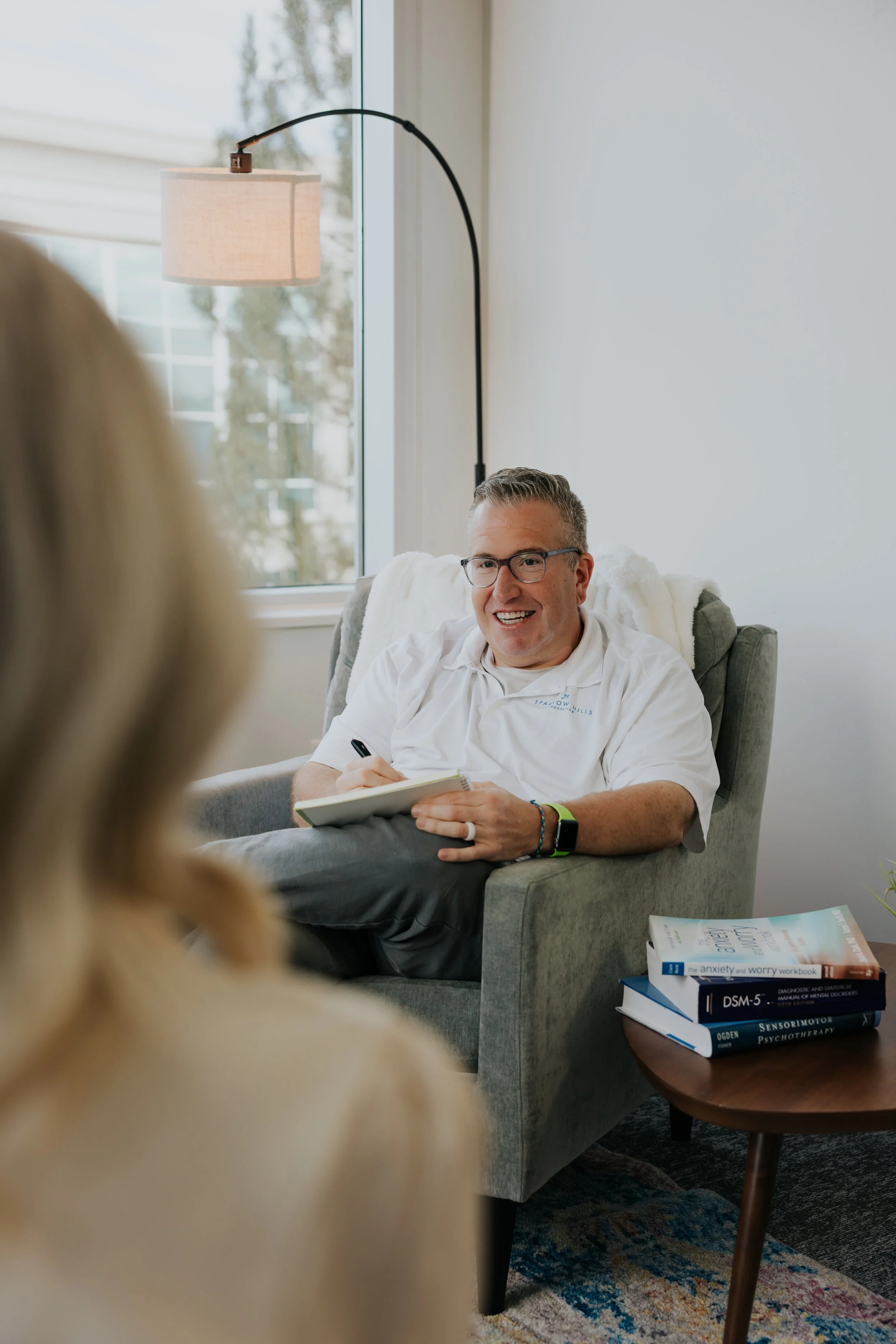
Understanding the MethodRecovery through compassionate guidance
Addiction counseling is not about judgment or shame—it’s about exploring what’s beneath the surface. Together, we work to:
Understand the emotional, psychological, and environmental factors driving substance use or unhealthy patterns
Identify triggers and unmet needs
Build healthier coping strategies that address stress, trauma, and emotional regulation
Support sustainable lifestyle changes and reinforce personal strengths
This approach is holistic. We look at internal patterns and external circumstances to create a recovery plan that fits your life—not a one-size-fits-all solution.
The TransformationHealing and sustainable change
Recovery is a process, not a single moment. Over time, counseling helps you regain control and clarity in multiple ways:
-
You recognize triggers, patterns, and unmet needs before they lead to harmful behaviors.
-
Stress, cravings, or emotional pain can be managed without relying on substances or destructive habits.
-
As your internal balance grows, your ability to connect and maintain meaningful relationships improves.
-
You start making choices aligned with your values, not just survival or escape.
-
Change is reinforced by understanding yourself, your patterns, and the tools that truly support your wellbeing.
Take The Next StepYou don't have to do this alone
This transition deserves support. Whether struggling or wanting space to process, we're here to witness your journey.